BLUE SKY Lyrics - Keith Urban
BLUE SKY
(No, uh, no, no, no,
uh, no)
Just give me some blue sky, please
Song Overview
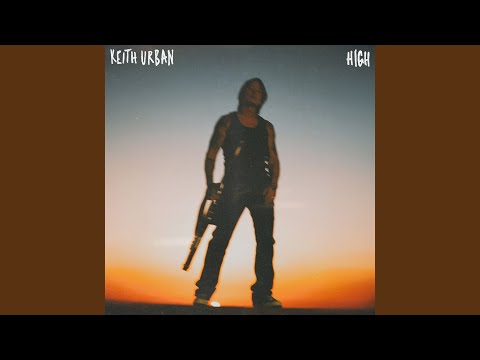
Keith Urban's "Blue Sky" lyrics are a spoken request for relief from morning routine, recorded as the opening prelude to HIGH. An alarm clock and reluctant muttering establish the scene before the next song supplies the musical release. According to Qobuz, the recording lasts 12 seconds. Its central weather metaphor turns a request for sunshine into a wish to feel awake and ready for the day.
Review and Highlights
The prelude works best beside "Straight Line," where its interrupted morning finds an immediate answer in banjo-driven country music. MusicRow's September 20, 2024 interview describes that transition explicitly. Heard separately, the 12-second recording offers a small comic scene; within the album, it gives the next song a listener who needs it.
The alarm makes the opening recognizable before the speaker explains anything. The repeated refusals delay his first clear request, so the final sentence sounds like something said while getting out of bed.
As an editorial judgment, the scene earns its place through sequencing. A listener playing the album in order hears a cause and a response. A shuffled playlist removes that response and leaves the request suspended.
Key Takeaways
- The alarm establishes an ordinary workday rather than a dramatic crisis.
- The spoken delivery gives the opening a conversational rhythm.
- The next song supplies the energy that the narrator requests.
Top 3 Facts About Blue Sky
The recording grew out of a practical question about opening an album. Country Now's release-day report describes several abandoned introductions and a conversation with mix engineer Sean Moffitt. The label's pre-release announcement also identifies the recording as a prelude, which explains why its tiny scene ends before a conventional verse develops.
- According to Country Now, Moffitt asked Urban why he wanted the following song to open the album. That question helped focus the introduction on the experience of waking up.
- The same report says the team tried instruments entering gradually, static, and a radio-dial approach before choosing the morning scene.
- MCA's August 2, 2024 announcement printed the opening title with the parenthetical designation "PRELUDE." The short format was part of the album's announced sequence.
Song Biography
The prelude emerged during mixing, when Urban wanted a more deliberate entrance into his new album. MusicRow connects that decision to his search for a morning-radio song that could motivate a tired listener. Apple Music dates the finished album to September 20, 2024, with 12 songs in its original edition.
MusicRow reports that the singer abandoned an earlier album project in 2022 before completing this release. That broader restart provides context for an introduction built around wanting a fresh beginning.
The label's June 28, 2024 announcement described an intentionally sequenced album concerned with living, connection, hope, and enjoyment. The waking-up scene gives those large themes a concrete starting point: one person facing another morning.
Lyricist an*lysis
The writing uses conversational speech rather than a repeating poetic meter. Qobuz credits Urban as composer and lyricist, while the supplied transcript contains hesitation followed by one complete request. The craft lies in the change of sentence function: the speaker stops rejecting the morning and begins asking for something he wants.
Meter and Rhyme
The eight-word final sentence has eight syllables in ordinary English pronunciation. Its natural stresses fall most strongly on the request verb and the weather image. The transcript does not establish a repeated iambic or trochaic pattern, and its two spoken units do not form a recurring rhyme scheme.
Because the opening follows speech rhythm, labels such as catalexis and anacrusis would impose a verse structure that the text does not sustain.
Sound and Phrasing
The repeated "no" creates a verbal stall. The consonants in "give" and "blue" give the later request firmer points of articulation, while the long vowel in "sky" expands the phrase.
The final "please" softens the imperative. That single courtesy word makes the speaker sound tired and hopeful rather than commanding.
The prelude has no chorus or bridge. Its structural turn occurs when a fragmented refusal becomes a complete sentence; the album transition then provides the resolution.
Song Meaning and Annotations
The central request asks for a better start to the day, with clear weather representing the lift that music can provide. In Country Now's account, Urban explains the introduction through the example of hearing an upbeat song on a morning radio. That explanation anchors the metaphor in daily routine rather than an unspecified personal tragedy.
Plot
An alarm sounds, a reluctant speaker protests, and he asks for a little sunshine. The scene ends before he describes his job, relationships, or plans. Its small scale lets listeners recognize their own morning without requiring a detailed fictional biography.
Song Meaning
The weather metaphor connects an external condition with an internal change. A clear sky suggests that the day might contain pleasure as well as obligations. The word "some" limits the request: the speaker asks for a manageable lift rather than a perfect life.
A wider reading can connect that request with hope after a difficult period. The text supports that interpretation through its weather image, but the documented morning-radio explanation remains more specific.
Annotations
(No, uh, no, no, no,
uh, no)
The supplied transcript preserves a refusal broken by hesitation. Within the alarm-clock scene, those fragments suggest resistance to waking up. The interruptions also postpone the central image, so the request arrives after the speaker has struggled to form a sentence.
Just give me some blue sky, please
The sentence combines an imperative with a polite ending. "Just" reduces the scale of the demand, and "some" makes the desired relief sound modest. The blue sky becomes a concrete substitute for renewed energy.
Production and the Morning Scene
The sound effect carries information that the words leave unstated: the alarm places the speaker at the start of a day. The following banjo entrance belongs to the second recording. Keeping that distinction preserves the prelude's sparse design.
Color and Symbolism
In this phrase, "blue" modifies the sky and points toward clear weather. Reading the color as sadness would conflict with the request for sunshine described in the interview. The surrounding noun determines the image's direction.
Technical Information
Streaming metadata identifies a short English-language recording released with the original album in September 2024. Qobuz supplies its duration and authorship, while Apple Music supplies the release imprint. Shazam lists a tempo estimate of 148 BPM; that an*lysis figure does not establish a conventional sung beat for the spoken performance.
- Song: "Blue Sky," announced as a prelude.
- Artist: Keith Urban.
- Composer and Lyricist: Keith Urban, according to Qobuz.
- Release Date: September 20, 2024.
- Genre: Country, according to Shazam.
- Label: Hit Red Records/Capitol Records Nashville, according to Apple Music.
- Length: 12 seconds, according to Qobuz.
- Track Number: 1.
- Language: English.
- Album: HIGH.
- Music Style: Spoken prelude with alarm-clock sound design.
- Tempo: 148 BPM, according to Shazam's an*lysis.
Key Contributors
| Contributor | Contribution |
|---|---|
| Keith Urban | Urban wrote and performed the spoken prelude. |
| Rose Hutcheson | Qobuz credits Hutcheson with production coordination. |
| Scott Johnson | Qobuz credits Johnson with production coordination. |
| Hit Red Records | Apple Music identifies the company as the recording rights holder. |
Sources
- Country Now - Urban's explanation of the introduction and mixing experiments
- MusicRow - Release-day interview, morning-radio concept, and album development
- MCA - June 2024 album announcement and sequencing themes
- MCA - August 2024 prelude designation and track order
- Apple Music - Album release date, original edition, and label information
- Qobuz - Duration, composer and lyricist credit, and production coordinators
- Shazam - Genre, language, authorship, and tempo an*lysis
- YouTube - User-supplied audio link and thumbnail source